A good rainfall fly is important to a camping tent's convenience and security. However it's simple to make mistakes when establishing it up, which can be frustrating and lead to a damp night's rest.
Take your time and carefully established the outdoor tents, including the rainfly. After that cinch it up and check that all the clips, buckles, and closures are functioning appropriately.
1. Neglecting the Rainfall Fly
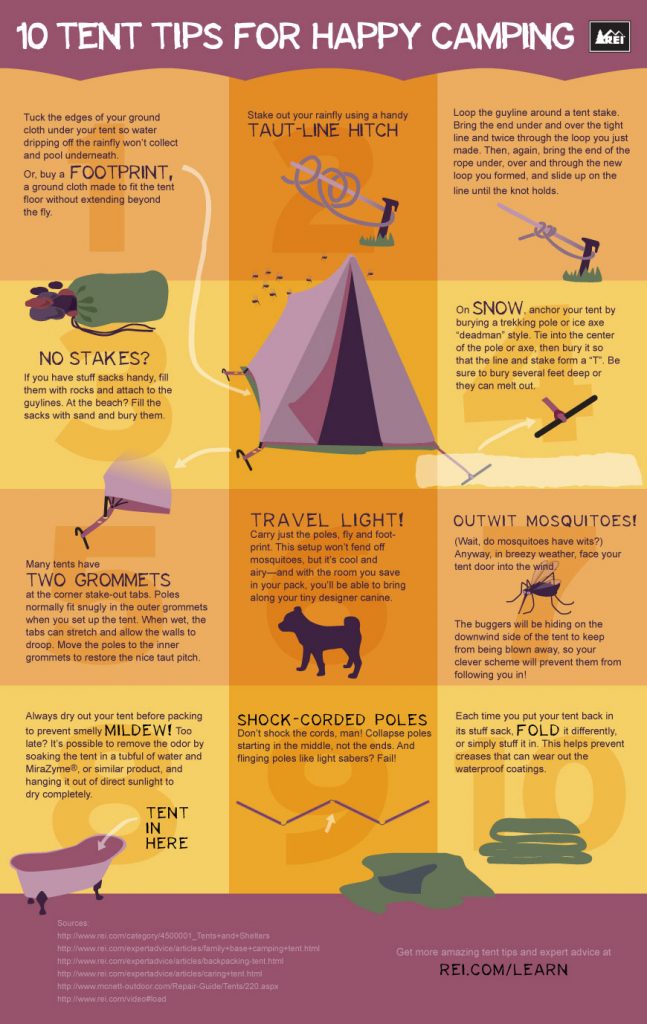
The rain fly may appear like a lightweight item of textile, yet it's your main protection against rainfall. Lots of campers fail to remember to bring it or attempt to establish their tent without it. This can lead to a soaked mess and leakages. If you do bring it, see to it to pitch it in a spot that is not as well reduced to the ground. Additionally, it is necessary to stress the fly to make sure that it doesn't sag and permit water into your outdoor tents. If you do, the water can permeate right into the seams and cause a leak. You can prevent this by bring a sponge to mop up any type of stray water in the early morning.
2. Not Taking Your Time
It's not uncommon for campers to rush when setting up their outdoor tents. Unfortunately, hurrying can cause blunders that can cost you a lot. For example, neglecting the rainfall fly or trying to connect it in the pouring rain is a proven dish for soaked equipment and a dissatisfied evening. To prevent this risk, have somebody deal with the rain fly while you established the tent body and secure all the posts and links. Then, when everything is completed, take a great take a look at your work and ensure the rain fly is taut and all zippers are closed.
4. Not Staking Your Outdoor Tents Effectively
An inadequately bet outdoor tents is at the mercy of wind and weather. Taking a couple of additional minutes to bet your outdoor tents properly makes the difference in between getting up revitalized and lying awake in a cold, breezy mess.
The very best way to bet your camping tent is to do it prior to you come to the camping area. Hunt the area for a spot that's drained pipes of low points where water accumulates (hello, puddle) and away from surface shapes that could funnel winds directly right into your outdoor tents.
Also, remember that rocky sites typically protect against the use of conventional wire-pin risks. In these cases, it's a good idea to bring fist-sized to football-sized rocks to utilize as deadweight supports. Run cable from each edge loophole and guyline attachment point to these rock anchors for extra security.
5. Falling short to Tension the Fly
While it's alluring to leave the fly centered width-wise and fairly tight, camping tent fabrics often tend to sag when they cool down and get wet, and this can create leakage points around the sides and corners of the camping tent body. To help stop this, periodically check and re-tension individual lines.
A recent enhancement to this has actually been to connect a small channel per side "0" ring and screw in a canteen, which then immediately reduces the fly during tornado fashion accessory problems while maintaining fly tension. It's an easy addition that makes the Hennessy Hammock much more helpful in bad weather condition.